Stealth Insights

Featured Posts
Tire Dressing vs Tire Coating: What Lasts and Why

Tire Dressing vs Tire Coating: What Lasts and Why

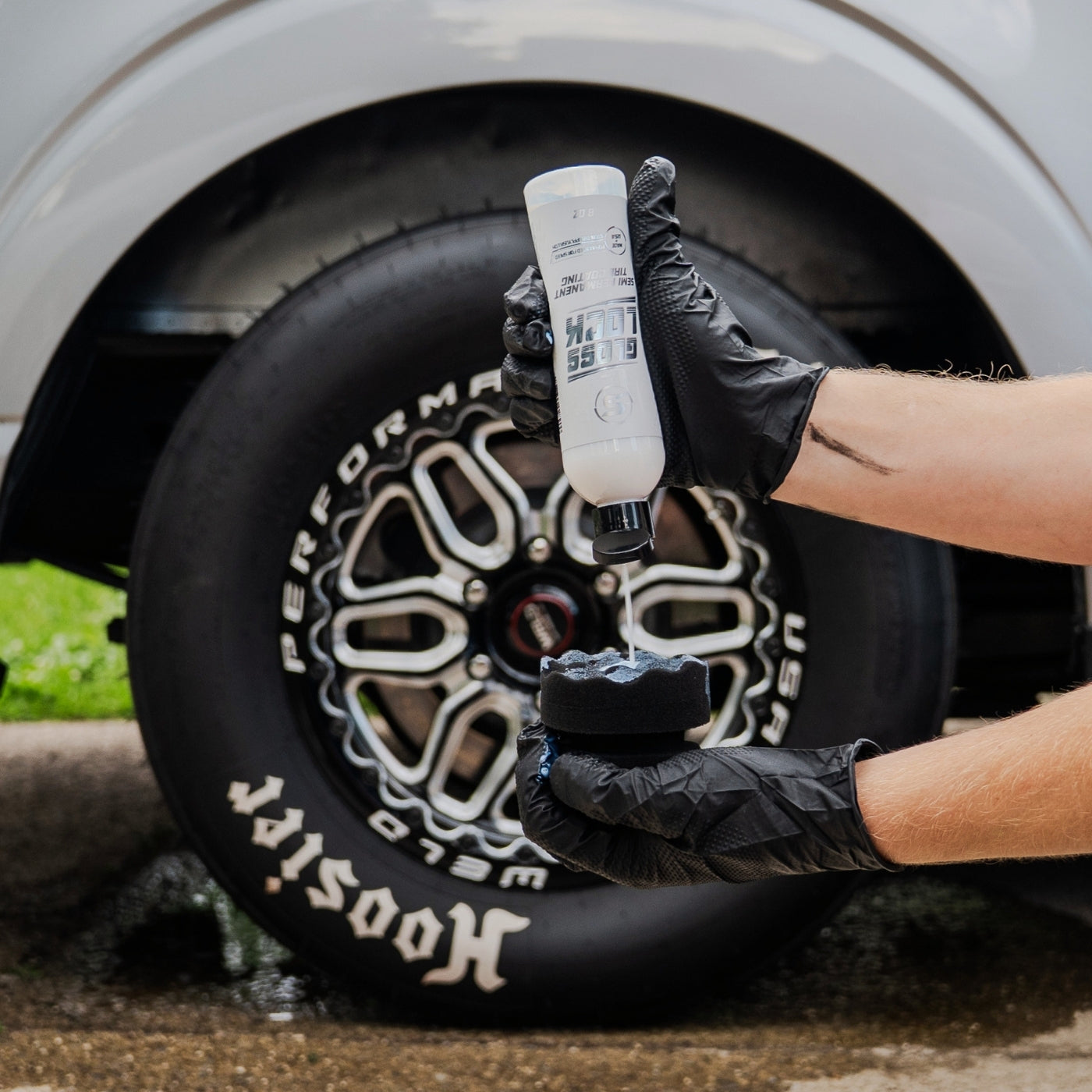
Tire Dressing vs Tire Coating: What Lasts and Why Tire shine is easy. Tire protection is not. Many people assume all tire products do the same thing—make tires look darker. In reality, tire dressing and tire coating serve very different purposes, last for different lengths of time, and require different preparation. Understanding the difference is the key to better results, longer durability, and less frustration. What Is Tire Dressing? Tire dressing is a maintenance product designed to enhance appearance and provide short-term protection. Most tire dressings are formulated to: Restore a dark, clean look Add gloss or satin finish Repel water temporarily Be easy to apply and reapply Tire dressings are ideal for routine washes and drivers who want fast results with minimal effort. How Long Does Tire Dressing Last? On average, tire dressing lasts: 3–7 days in daily driving conditions Up to 1–2 weeks in ideal conditions Durability depends on: Tire preparation Weather exposure Washing frequency Product formulation Tire dressing sits on top of the rubber, which makes it easy to apply—but also easy to remove. What Is Tire Coating? Tire coating is a longer-lasting protection designed to bond to the rubber rather than sit on the surface. Unlike tire dressing, a tire coating: Forms a semi-permanent layer Resists water, dirt, and road grime Slows oxidation and browning Reduces maintenance over time Tire coatings are not about quick shine—they’re about durability. How Long Does Tire Coating Last? A properly applied tire coating typically lasts: 2–3 months under normal driving conditions Longer with proper maintenance Durability depends heavily on: Tire cleaning and prep Application technique Environmental exposure Because tire coatings bond to the rubber, preparation is critical. Tire Dressing vs Tire Coating: The Core Differences Feature Tire Dressing Tire Coating Durability Short-term Long-term Finish Adjustable (satin to gloss) Natural to satin Application Fast and forgiving Precise and controlled Maintenance Frequent reapplication Minimal upkeep Bonding Surface-level Bonds to rubber Both products have a place in a proper tire care system. Why Tire Prep Determines Longevity Whether using tire dressing or tire coating, results depend on preparation. If tires are not properly cleaned: Dressings won’t level evenly Coatings won’t bond correctly Browning will return quickly Sling becomes more likely A dedicated tire cleaner that removes oxidation, oils, and old dressings is non-negotiable. If the foam turns brown, the tire isn’t clean yet. When Tire Dressing Is the Better Choice Tire dressing is ideal when: You wash your car frequently You want adjustable gloss You prefer quick application You enjoy regular maintenance For enthusiasts who detail often, tire dressing offers flexibility and control. When Tire Coating Is the Better Choice Tire coating is the better option when: You want long-term protection You drive frequently You dislike constant reapplication You want consistently clean tires For daily drivers and performance vehicles, tire coatings reduce effort while maintaining appearance. Can You Use Tire Dressing Over Tire Coating? In some cases, yes. A light maintenance dressing can be applied over a tire coating to temporarily adjust finish. However, aggressive dressings may reduce coating longevity. Always allow the coating to fully cure before applying anything on top. Common Mistakes with Tire Dressing and Tire Coating Avoid these: Applying to dirty tires Over-applying product Skipping proper curing time Using silicone-heavy dressings on unprepped rubber Expecting dressing-level effort with coating-level durability Each product has a purpose. Confusing them leads to disappointment. The Correct Tire Protection System A proper system includes: A dedicated tire cleaner A tire dressing for maintenance A tire coating for long-term protection Proper applicators and microfiber towels This approach delivers consistent, professional results. Final Takeaway Tire dressing and tire coating are not interchangeable. Tire dressing offers flexibility and quick results.Tire coating offers durability and long-term protection. The best results come from knowing what lasts, why it lasts, and when to use each.
Read more
Safe Wheel Cleaning for High-End & Multi-Piece Wheels

Safe Wheel Cleaning for High-End & Multi-Piece Wheels

High-end wheels demand a different approach. Forged wheels, polished aluminum, multi-piece designs, and premium finishes are not forgiving. One aggressive cleaner, one rushed wash, or one improper tool can permanently damage a wheel that costs more than an entire paint correction. This is why high-end wheel cleaning and multi-piece wheel cleaning require a controlled, system-based process focused on safety first, performance second. Why High-End Wheels Are Different High-end wheels are engineered for performance and aesthetics—but that also makes them more sensitive to chemicals and abrasion. Common high-end wheel types include: Forged aluminum wheels Polished or raw aluminum wheels Anodized finishes Multi-piece wheels with exposed hardware Custom clear-coated wheels These wheels often lack the thick protective clear coats found on OEM wheels, making improper cleaning especially risky. The Risk of Aggressive Wheel Cleaners Many wheel cleaners prioritize speed and visual impact over safety. While this may be acceptable for neglected daily drivers, it is dangerous for premium wheels. Aggressive cleaners can: Stain polished aluminum Dull clear coats Etch anodized finishes Cause corrosion around exposed bolts and seams Weaken sealants or coatings For safe wheel cleaning on high-end wheels, chemistry must be controlled and predictable. Multi-Piece Wheel Cleaning: Where Damage Usually Happens Multi-piece wheel cleaning introduces additional risks due to the construction of the wheel itself. Multi-piece wheels feature: Separate faces, barrels, and lips Exposed bolts or hardware Seams where moisture and chemicals can collect If harsh chemicals sit in these areas, they can cause: Hardware corrosion Staining around bolt heads Clear coat failure at seams This is why cleaning multi-piece wheels requires lower-risk chemistry and precise rinsing. The Safe Wheel Cleaning System for High-End Wheels A professional high-end wheel cleaning process follows a strict system designed to minimize risk. Step 1: Cool the Wheels Completely Never clean high-end wheels when they are hot. Heat accelerates chemical reactions and increases the chance of staining or etching. Always allow wheels to cool fully and avoid direct sunlight. Step 2: Initial Rinse to Remove Loose Contamination Rinse thoroughly to remove: Sand Loose dirt Surface debris This reduces the risk of scratching during agitation. Step 3: Use a Super Safe Wheel Cleaner For high-end and multi-piece wheels, always use a super safe wheel cleaner specifically formulated for sensitive finishes. A safe wheel cleaner should: Be non-acidic Avoid harsh solvents Clean effectively without attacking finishes Be safe on polished, anodized, and raw aluminum This step defines safe high-end wheel cleaning. Step 4: Minimal, Controlled Agitation Use soft, wheel-specific brushes: Soft face brushes Gentle barrel brushes Small detail brushes for hardware Agitation should be light and intentional. If heavy scrubbing is required, the chemistry is wrong. Step 5: Thorough Rinsing (Critical for Multi-Piece Wheels) Rinse slowly and thoroughly, paying special attention to: Bolt heads Seams Inner lips Barrel joints This step prevents chemical residue from collecting in vulnerable areas. Step 6: Dedicated Drying Dry wheels immediately using clean microfiber towels dedicated to wheel use only. For multi-piece wheels, compressed air or blowers help remove trapped water from seams and hardware. Why “Less Aggressive” Is Actually More Effective Safe wheel cleaning is not about avoiding performance—it’s about consistency. A controlled cleaner: Reduces the need for aggressive agitation Preserves wheel finishes long-term Prevents corrosion and staining Makes future maintenance easier For high-end wheels, safety is performance. Protection Is Non-Negotiable for High-End Wheels After proper cleaning, protection becomes essential. Protected wheels: Resist brake dust adhesion Clean easier during maintenance washes Reduce chemical exposure long-term Maintain finish clarity Wheel protection is especially important for multi-piece wheel cleaning due to exposed hardware and seams. Common High-End Wheel Cleaning Mistakes Avoid these at all costs: Using acidic wheel cleaners Letting cleaners dry on the surface Scrubbing aggressively Using tire cleaner on wheels Reusing dirty brushes or towels One mistake can permanently damage an expensive wheel. Final Takeaway High-end wheel cleaning and multi-piece wheel cleaning require a different mindset. Speed, aggression, and convenience do not belong in this process. Precision, control, and system-based chemistry do. If your wheels are expensive, your cleaning process should reflect that.
Read more
Wheel Cleaner vs Tire Cleaner: Why using one product is a mistake

Wheel Cleaner vs Tire Cleaner: Why using one product is a mistake

Wheel Cleaner vs Tire Cleaner: Why Using One Product Is a Mistake Using one product to clean both wheels and tires may seem convenient, but it almost always leads to poor results. Wheels and tires are made from different materials, collect different types of contamination, and require different chemical approaches. This is why professional detailers never use a single wheel and tire cleaner for both surfaces. They use a dedicated wheel cleaner and a dedicated tire cleaner as part of a complete system. Here’s why that distinction matters. Wheels and Tires Require Different Cleaners Although wheels and tires sit next to each other, they experience completely different forms of contamination. Wheels collect: Brake dust (metallic and iron-based) High-temperature fallout Road salt and traffic film Contamination on clear-coated, painted, polished, anodized, or raw metal surfaces A wheel cleaner is specifically formulated to remove brake dust and iron contamination safely without damaging wheel finishes. Tires collect: Rubber oxidation (tire browning) Oils and grease Old silicone tire shine Embedded road grime A tire cleaner is designed to deep clean rubber by stripping oxidation and buildup so dressings and coatings can properly bond. Trying to clean both surfaces with one product forces chemical compromises. Why “Wheel and Tire Cleaner” Products Underperform Many all-in-one wheel and tire cleaners exist because they’re easy to market. Unfortunately, they are rarely effective. To safely clean wheels—especially high-end or multi-piece wheels—chemistry must be controlled and balanced. To properly clean tires, chemistry often needs to be stronger and more aggressive. One formula cannot excel at both without sacrificing: Cleaning power Surface safety Long-term durability This is why combo products often leave tires brown and wheels still contaminated. What Happens When You Use Tire Cleaner on Wheels Tire cleaners are intentionally aggressive because rubber is durable and porous. When tire cleaner is used on wheels, it can: Dull clear-coated wheels Stain polished aluminum Damage anodized finishes Increase long-term corrosion risk Even if damage isn’t immediate, repeated use can permanently degrade wheel finishes. This is why tire cleaners should never be used as wheel cleaners. What Happens When You Use Wheel Cleaner on Tires Wheel cleaners are formulated to dissolve brake dust and iron—not rubber oxidation. When used on tires, wheel cleaners often: Fail to remove tire browning Leave oils and old dressings behind Create the illusion of a clean tire This leads to tire shine sling, uneven appearance, and protection that fades quickly. If tires turn brown again after a wash, they were never properly cleaned. Tire Cleaner vs Wheel Cleaner: Chemistry Matters From a formulation perspective: Tire cleaners break down oils, oxidation, and embedded rubber contamination Wheel cleaners target metallic particles, brake dust, and road film while protecting finishes Because these goals are different, professional wheel and tire cleaning always separates the process. There is no such thing as a “best wheel and tire cleaner” that performs both jobs at a professional level. Why Professional Detailers Always Use Separate Products Professional detailers use separate wheel and tire cleaners because it delivers: Better cleaning results Safer wheel finishes Longer-lasting tire protection Less scrubbing and chemical usage Faster maintenance washes over time A proper wheel and tire cleaning system isn’t about using more products—it’s about using the right cleaner for the right surface. The Long-Term Cost of Using One Cleaner for Everything Using a single product for wheels and tires often results in: Excessive agitation Higher chemical consumption Poor bonding of tire dressings and coatings Inconsistent results wash after wash What feels convenient upfront usually causes frustration later. The Correct Wheel and Tire Cleaning System A proper system includes: A dedicated wheel cleaner (performance-focused or ultra-safe depending on wheel type) A dedicated tire cleaner designed for deep rubber cleaning Tools matched to each surface Separate protection steps for wheels and tires This approach produces consistent, professional-grade results. Final Takeaway If one product truly worked as both a wheel cleaner and tire cleaner, professionals would already be using it. They aren’t. Because wheels and tires require different chemistry—and treating them the same is the fastest way to compromise results, safety, and durability.
Read more
The Complete Wheel & Tire Cleaning System (Start -> Finish)

The Complete Wheel & Tire Cleaning System (Start -> Finish)

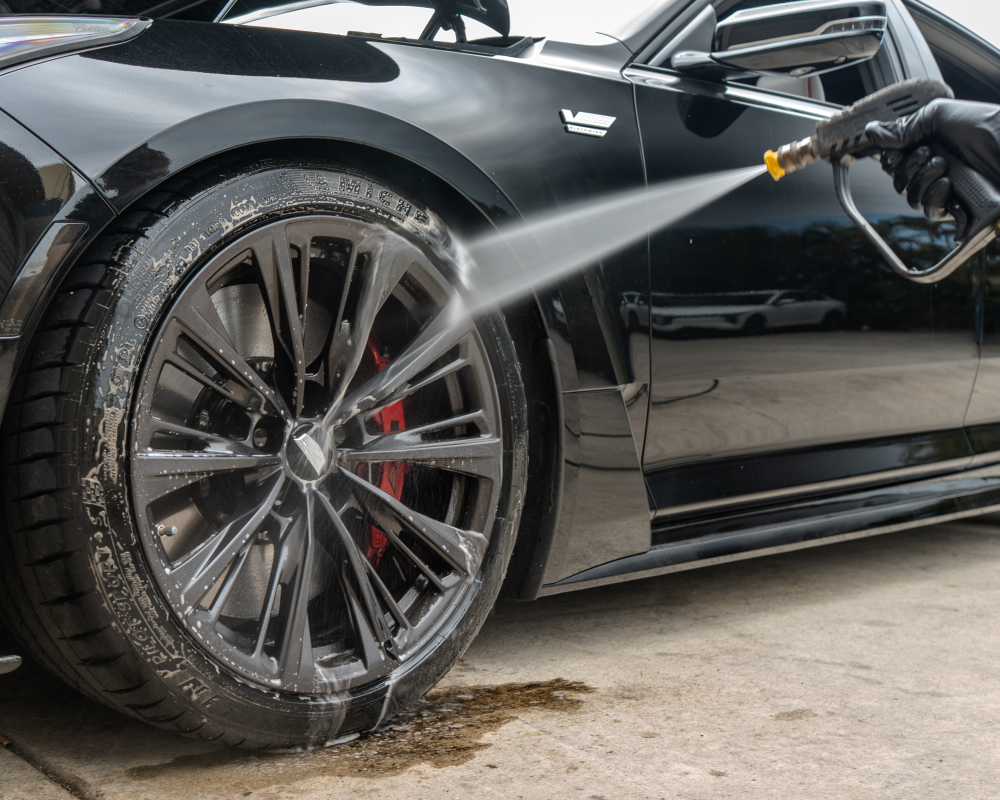
Most people clean wheels and tires randomly.Professionals follow a system. Wheels and tires are exposed to the harshest conditions on a vehicle—brake dust, heat, road grime, iron contamination, rubber oxidation, oils, and environmental fallout. Treating them as an afterthought or using a single “do-it-all” product almost always leads to poor results, damage, or short-lived protection. A proper wheel and tire cleaning system is designed to clean safely, prepare correctly, and protect effectively. This guide walks through the complete process from start to finish. Step 1: Understand the Difference Between Wheels and Tires Before touching any product, it’s critical to understand that wheels and tires are entirely different materials with different contamination types. Wheels collect brake dust, iron particles, road salts, and traffic film. Tires accumulate rubber oxidation, browning, oils, grease, and embedded grime. Because of this, wheels and tires require separate cleaners, tools, and techniques. Using a tire cleaner on wheels (or vice versa) can reduce effectiveness and increase the risk of damage. A professional system always treats them independently. Step 2: Initial Rinse and Temperature Check Start by thoroughly rinsing wheels and tires with water to remove loose dirt and cool the surface. Never apply wheel or tire chemicals to: Hot wheels Hot brakes Surfaces in direct sunlight Heat causes cleaners to flash dry, reducing performance and increasing the chance of staining or etching. Step 3: Wheel Cleaning (Chemical First, Mechanical Second) Wheel cleaning should always begin with chemical decontamination, followed by gentle agitation if needed. Apply a Dedicated Wheel Cleaner A proper wheel cleaner is designed to: Break down brake dust Dissolve iron contamination Lift road film without damaging finishes High-performance wheel cleaners may incorporate iron-reactive technology, while ultra-safe versions prioritize maximum surface safety for high-end or multi-piece wheels. Agitation (Only If Necessary) Use soft, wheel-safe brushes to clean: Wheel faces Spokes Lug areas Barrels (with a barrel brush) The goal is minimum agitation for maximum results. If aggressive scrubbing is required, the chemistry isn’t doing enough of the work. Rinse Thoroughly Rinse all wheel surfaces completely, ensuring no chemical residue remains. Step 4: Tire Cleaning (The Most Skipped Step) Tire cleaning is where most results are lost. A tire that looks “clean” often isn’t actually clean. Browning, old dressings, and road oils can remain embedded in the rubber. Use a Dedicated Tire Cleaner A proper tire cleaner is formulated to: Remove oxidation and browning Strip old silicone dressings Deep clean the rubber surface Apply the cleaner generously and allow it to dwell briefly. Scrub Until the Foam Is White Agitate with a stiff tire brush. If the foam turns brown, the tire is still dirty. Repeat the process until the foam remains white. This step ensures the tire is fully prepped for protection. Rinse Completely Rinse thoroughly to remove all residue. Step 5: Secondary Wheel Safety Pass (Optional but Recommended) For high-end wheels, polished finishes, or multi-piece setups, a secondary pass with a super-safe wheel cleaner can be used after the primary cleaning stage. This ensures: Zero chemical residue Maximum surface safety Confidence before protection This step is especially important for expensive wheels where risk tolerance is low. Step 6: Drying the Wheels and Tires Drying prevents: Water spotting Mineral deposits Streaking Use clean microfiber towels dedicated solely to wheels and tires. Avoid cross-contaminating with paint towels. Compressed air or blowers can be used to remove water from lug holes and crevices. Step 7: Tire Protection (Dressing or Coating) Once the tire is fully clean and dry, protection can be applied. Tire Creams or Gels Adjustable finish (satin to gloss) Ideal for routine maintenance Shorter durability Apply evenly with a tire applicator and allow it to level naturally. Semi-Permanent Tire Coatings Long-lasting protection (2–3 months) Repels dirt and water Reduces future browning Coatings require proper prep and precise application but deliver significantly longer results. Step 8: Wheel Protection (Optional but Valuable) Protecting wheels helps: Reduce brake dust adhesion Make future cleaning easier Preserve finishes long term Depending on preference, this can range from spray protection to dedicated wheel coatings. Step 9: Maintenance and Long-Term Care A proper system doesn’t end after one wash. Maintained wheels and tires: Clean faster Require less chemical Look better for longer Suffer less long-term damage Routine maintenance washes should focus on gentle cleaning rather than aggressive correction. Why a System Always Wins A complete wheel and tire cleaning system delivers: Better results Increased safety Longer-lasting protection A more professional experience Random products create inconsistent outcomes. Systems create repeatable excellence. This is the difference between cleaning wheels and properly caring for them.
Read more

How to Guides

How to Prep Tires for Coating: The Complete Guide for Long-Lasting Results

How to Prep Tires for Coating: The Complete Guide for Long-Lasting Results

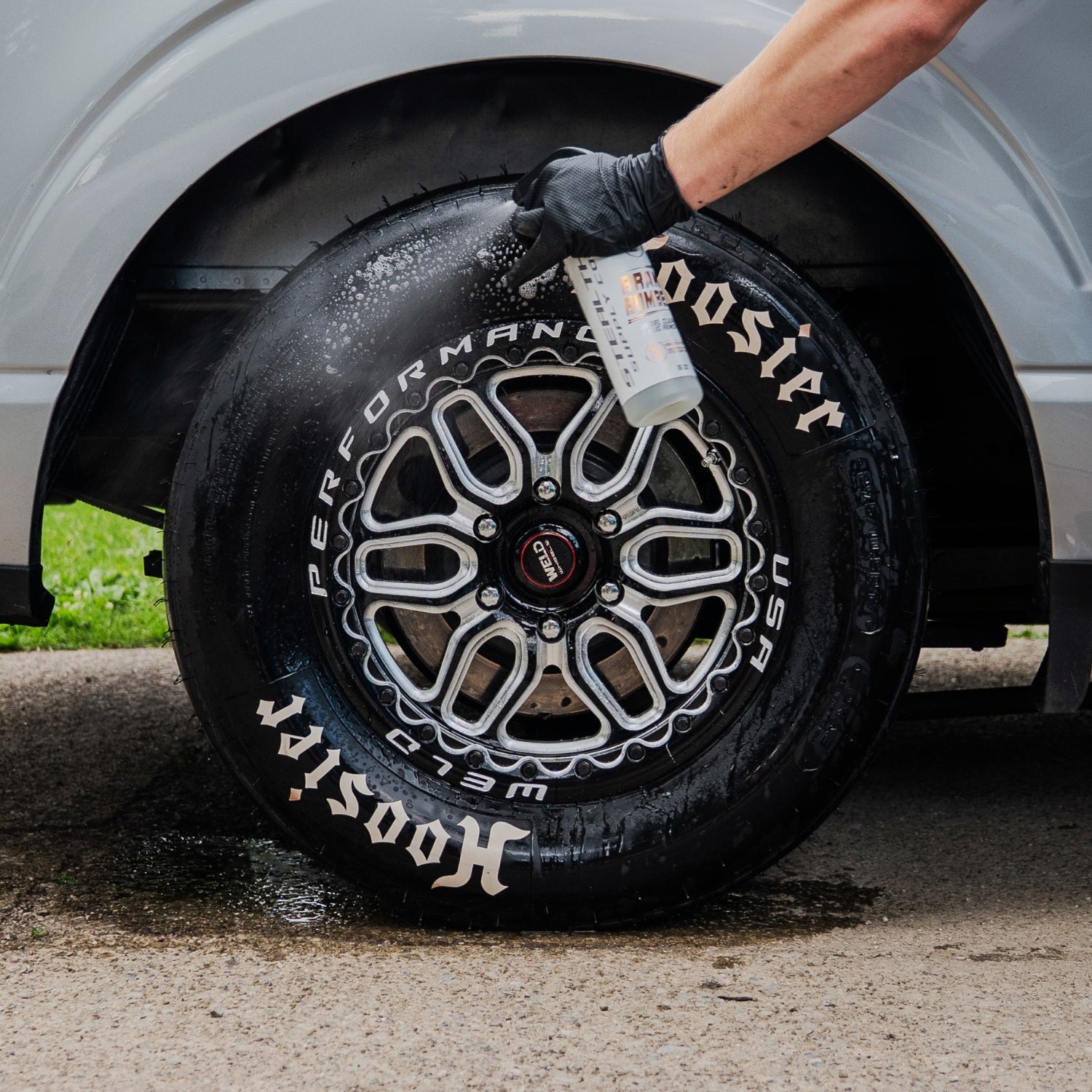
How to Prep Tires for Coating: The Complete Guide for Long-Lasting Results Applying a tire coating without proper preparation is the fastest way to ruin its performance. Tire coatings are designed to bond to the rubber, not sit on top like traditional tire dressings. If oils, oxidation, mold release agents, or old dressings remain on the tire, the coating cannot bond correctly — leading to poor durability, uneven appearance, and early failure. This guide explains how to prep tires for coating, why each step matters, and how to do it the right way for long-lasting protection. Why Proper Tire Prep Matters for Coatings Tire coatings rely on surface bonding. Unlike tire dressings, which temporarily enhance appearance, tire coatings create a semi-permanent protective layer that resists dirt, water, and browning. If tires are not properly prepped: Coatings won’t bond correctly Durability is dramatically reduced Coatings may streak, peel, or fade early Tires may turn brown again quickly Proper tire prep is not optional — it determines how well and how long a tire coating lasts. What You’ll Need to Prep Tires for Coating Before starting, gather the following: A dedicated tire cleaner (not an all-purpose cleaner) A stiff tire brush designed for rubber Clean microfiber towels Water source (hose or pressure washer) Optional: rubber-safe prep wipe or solvent Using the correct products and tools ensures contamination is removed without damaging the tire. Step 1: Rinse the Tires Thoroughly Start by rinsing the tires to remove loose dirt, sand, and debris. This step prevents loose contamination from being pushed into the rubber during scrubbing and helps the tire cleaner work more effectively. Step 2: Apply a Dedicated Tire Cleaner Spray a tire cleaner generously onto the tire sidewall. Tire cleaners are formulated to remove: Rubber oxidation (tire browning) Oils and grease Old tire dressings Embedded road grime Allow the cleaner to dwell briefly, but do not let it dry on the surface. Step 3: Scrub Until the Foam Runs Clean Using a stiff tire brush, scrub the tire sidewall thoroughly. As you scrub, the foam will often turn brown — this indicates oxidation and contamination being removed. Continue scrubbing, rinsing, and reapplying cleaner until the foam remains white. If the foam is still brown, the tire is not clean yet. This step is critical for proper tire coating adhesion. Step 4: Rinse Completely Once the tire is fully cleaned, rinse it thoroughly to remove all chemical residue. Leftover cleaner can interfere with coating bonding, so take your time and ensure the tire is completely rinsed. Step 5: Dry the Tires Completely Tire coatings must be applied to a dry surface. Use clean microfiber towels dedicated to tire use only. Ensure no water remains on the tire, especially in textured sidewall lettering. Moisture prevents proper bonding. Step 6: Optional Prep Wipe for Maximum Bonding For best results — especially before applying a semi-permanent tire coating — use a rubber-safe prep wipe or solvent to remove any remaining oils. This step further improves coating adhesion and durability. Avoid harsh solvents that are not safe for rubber. Step 7: Apply the Tire Coating Once the tire is: Fully clean Free of oils and old dressings Completely dry You’re ready to apply the tire coating. Follow the manufacturer’s instructions carefully for: Application method Product amount Cure time Proper prep ensures the coating bonds evenly and delivers maximum longevity. Tire Dressing vs Tire Coating Prep: What’s Different? Tire dressing prep is minimal because dressings sit on the surface. Tire coating prep is more involved because coatings bond to the rubber itself. That’s why: Deeper cleaning is required Oxidation must be fully removed Surface oils cannot remain Skipping prep may still allow a dressing to look good temporarily — but it will cause a tire coating to fail early. Common Tire Coating Prep Mistakes Avoid these mistakes: Using all-purpose cleaners instead of tire cleaners Not scrubbing long enough Applying coating to damp tires Skipping prep because the tire “looks clean” Applying too much coating at once Tires can look clean while still being contaminated. Final Takeaway When it comes to tire coatings, preparation is everything. A properly prepped tire allows the coating to bond, last longer, resist browning, and maintain a clean appearance with less maintenance. Rushing or skipping prep will always lead to disappointing results — no matter how good the coating is. Clean the tire completely, prep it correctly, and the coating will do exactly what it’s designed to do.
Read more