
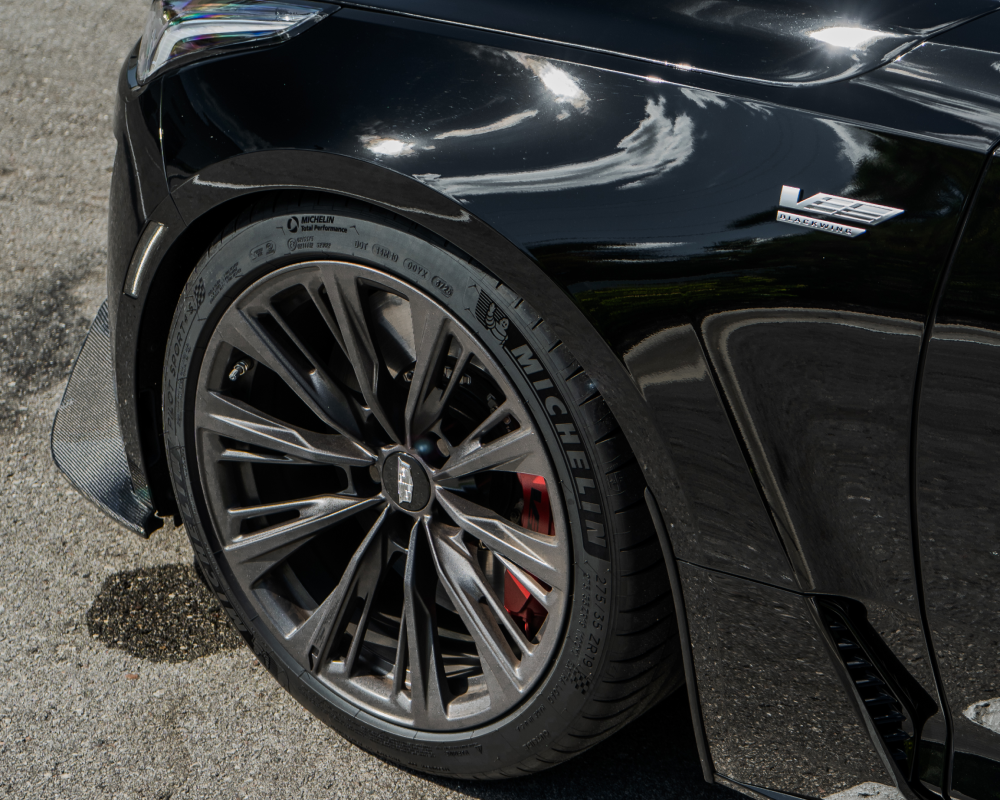
High-end wheels demand a different approach.
Forged wheels, polished aluminum, multi-piece designs, and premium finishes are not forgiving. One aggressive cleaner, one rushed wash, or one improper tool can permanently damage a wheel that costs more than an entire paint correction.
This is why high-end wheel cleaning and multi-piece wheel cleaning require a controlled, system-based process focused on safety first, performance second.
Why High-End Wheels Are Different
High-end wheels are engineered for performance and aesthetics—but that also makes them more sensitive to chemicals and abrasion.
Common high-end wheel types include:
-
Forged aluminum wheels
-
Polished or raw aluminum wheels
-
Anodized finishes
-
Multi-piece wheels with exposed hardware
-
Custom clear-coated wheels
These wheels often lack the thick protective clear coats found on OEM wheels, making improper cleaning especially risky.
The Risk of Aggressive Wheel Cleaners
Many wheel cleaners prioritize speed and visual impact over safety. While this may be acceptable for neglected daily drivers, it is dangerous for premium wheels.
Aggressive cleaners can:
-
Stain polished aluminum
-
Dull clear coats
-
Etch anodized finishes
-
Cause corrosion around exposed bolts and seams
-
Weaken sealants or coatings
For safe wheel cleaning on high-end wheels, chemistry must be controlled and predictable.
Multi-Piece Wheel Cleaning: Where Damage Usually Happens
Multi-piece wheel cleaning introduces additional risks due to the construction of the wheel itself.
Multi-piece wheels feature:
-
Separate faces, barrels, and lips
-
Exposed bolts or hardware
-
Seams where moisture and chemicals can collect
If harsh chemicals sit in these areas, they can cause:
-
Hardware corrosion
-
Staining around bolt heads
-
Clear coat failure at seams
This is why cleaning multi-piece wheels requires lower-risk chemistry and precise rinsing.
The Safe Wheel Cleaning System for High-End Wheels
A professional high-end wheel cleaning process follows a strict system designed to minimize risk.
Step 1: Cool the Wheels Completely
Never clean high-end wheels when they are hot.
Heat accelerates chemical reactions and increases the chance of staining or etching. Always allow wheels to cool fully and avoid direct sunlight.
Step 2: Initial Rinse to Remove Loose Contamination
Rinse thoroughly to remove:
-
Sand
-
Loose dirt
-
Surface debris
This reduces the risk of scratching during agitation.
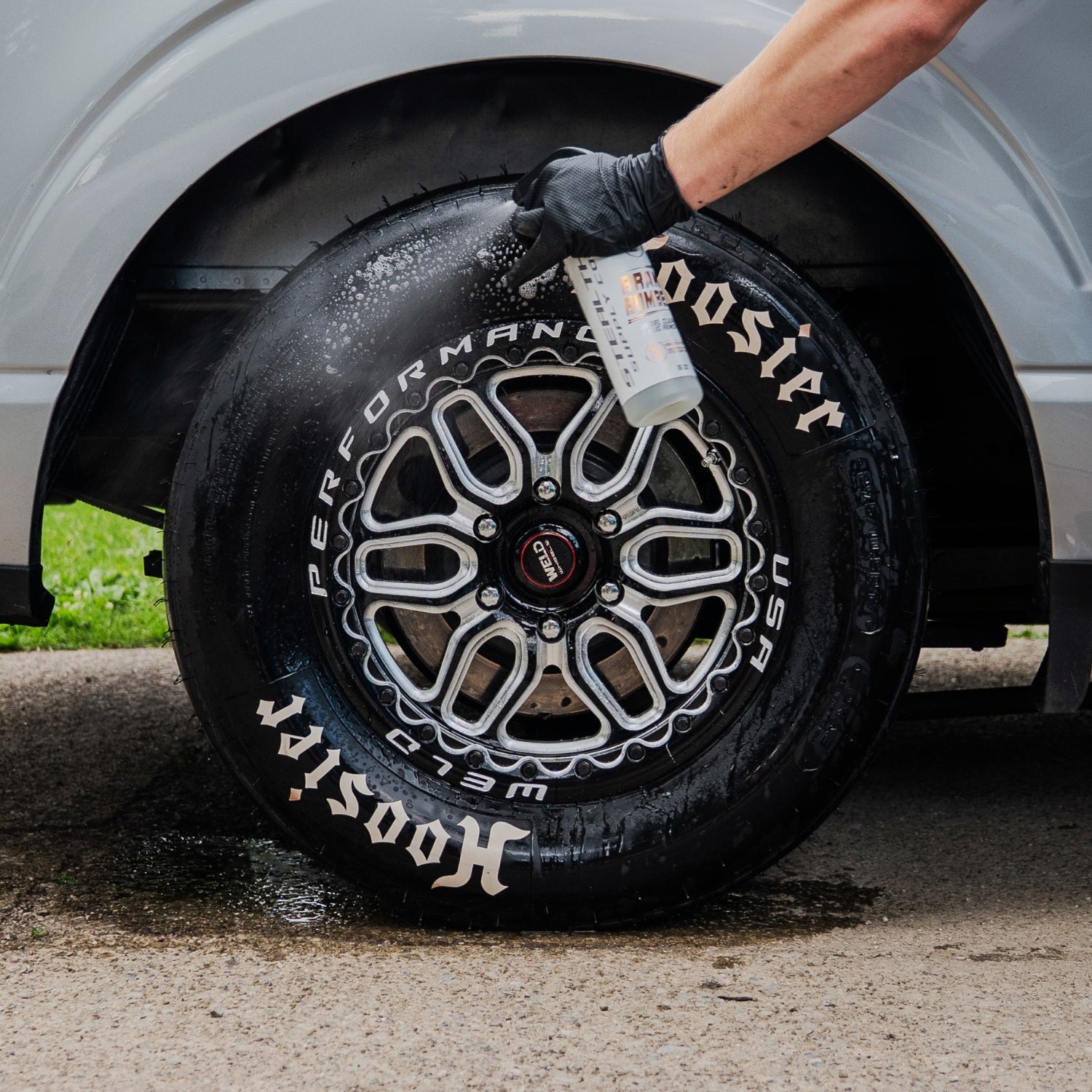
Step 3: Use a Super Safe Wheel Cleaner
For high-end and multi-piece wheels, always use a super safe wheel cleaner specifically formulated for sensitive finishes.
A safe wheel cleaner should:
-
Be non-acidic
-
Avoid harsh solvents
-
Clean effectively without attacking finishes
-
Be safe on polished, anodized, and raw aluminum
This step defines safe high-end wheel cleaning.
Step 4: Minimal, Controlled Agitation
Use soft, wheel-specific brushes:
-
Soft face brushes
-
Gentle barrel brushes
-
Small detail brushes for hardware
Agitation should be light and intentional. If heavy scrubbing is required, the chemistry is wrong.
Step 5: Thorough Rinsing (Critical for Multi-Piece Wheels)
Rinse slowly and thoroughly, paying special attention to:
-
Bolt heads
-
Seams
-
Inner lips
-
Barrel joints
This step prevents chemical residue from collecting in vulnerable areas.
Step 6: Dedicated Drying
Dry wheels immediately using clean microfiber towels dedicated to wheel use only.
For multi-piece wheels, compressed air or blowers help remove trapped water from seams and hardware.
Why “Less Aggressive” Is Actually More Effective
Safe wheel cleaning is not about avoiding performance—it’s about consistency.
A controlled cleaner:
-
Reduces the need for aggressive agitation
-
Preserves wheel finishes long-term
-
Prevents corrosion and staining
-
Makes future maintenance easier
For high-end wheels, safety is performance.
Protection Is Non-Negotiable for High-End Wheels
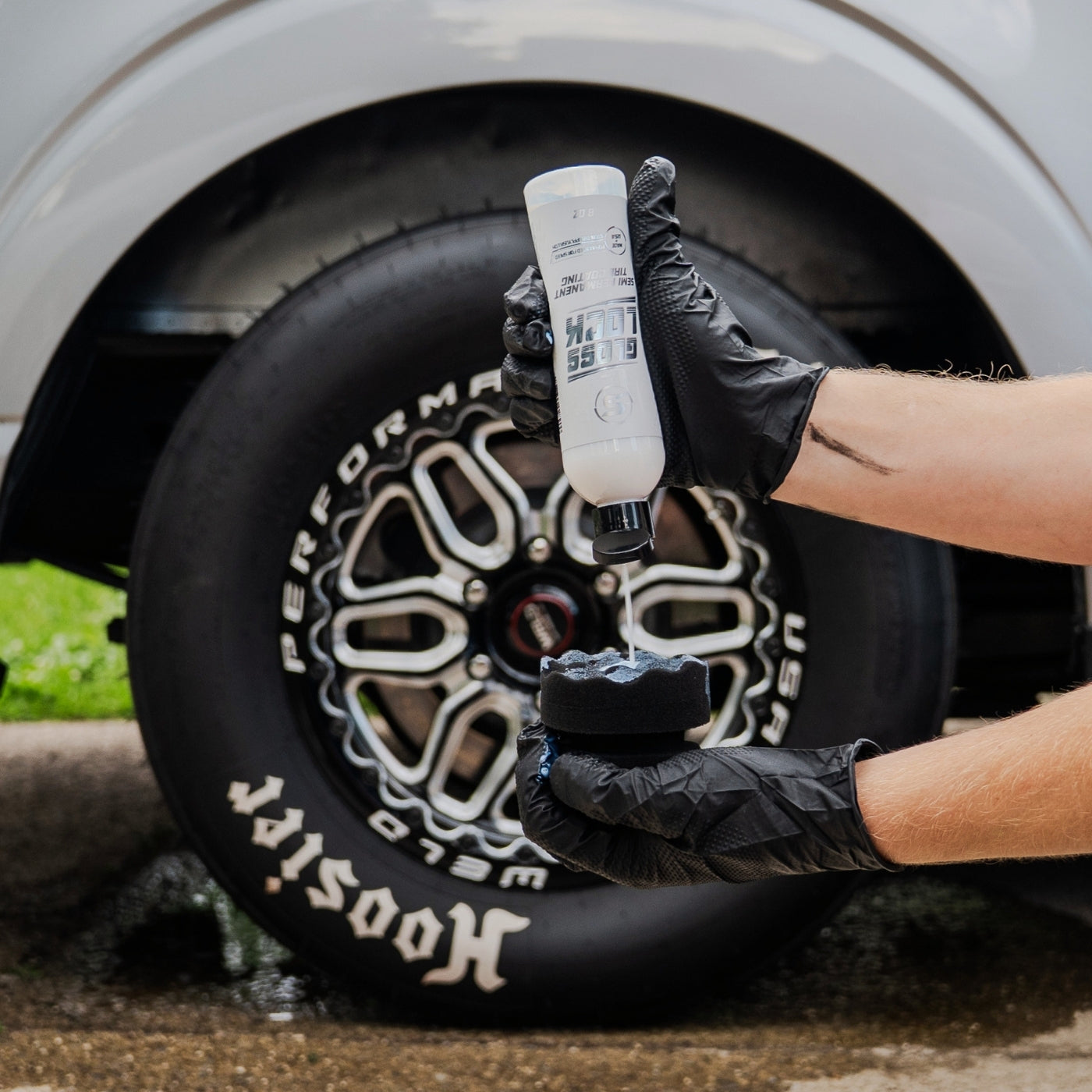
After proper cleaning, protection becomes essential.
Protected wheels:
-
Resist brake dust adhesion
-
Clean easier during maintenance washes
-
Reduce chemical exposure long-term
-
Maintain finish clarity
Wheel protection is especially important for multi-piece wheel cleaning due to exposed hardware and seams.
Common High-End Wheel Cleaning Mistakes
Avoid these at all costs:
-
Using acidic wheel cleaners
-
Letting cleaners dry on the surface
-
Scrubbing aggressively
-
Using tire cleaner on wheels
-
Reusing dirty brushes or towels
One mistake can permanently damage an expensive wheel.
Final Takeaway
High-end wheel cleaning and multi-piece wheel cleaning require a different mindset.
Speed, aggression, and convenience do not belong in this process. Precision, control, and system-based chemistry do.
If your wheels are expensive, your cleaning process should reflect that.




1 comment
Harold Speed
I appreciate the whys and how to use your products very much!
Leave a comment
All comments are moderated before being published.
This site is protected by hCaptcha and the hCaptcha Privacy Policy and Terms of Service apply.